AI vs Traditional Art: Pros and Cons
Understanding the strengths and limitations of AI-generated art versus traditional artistic methods. Find out which approach suits your creative goals.
🤖 AI Art: Advantages and Strengths
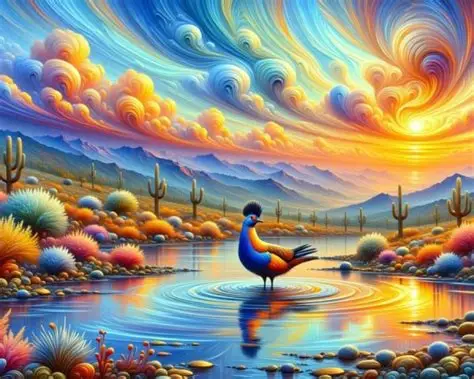
Speed and Efficiency
AI can generate images in seconds that might take traditional artists hours, days, or weeks to create.
Low Barrier to Entry
No artistic skills required. Anyone can create professional-looking art with just a well-written prompt.
Cost Effectiveness
Free or low-cost tools make high-quality art accessible to everyone, eliminating expensive art supplies and training.
Endless Possibilities
AI can create impossible scenes, hybrid creatures, and surreal combinations that would be difficult or impossible to create traditionally.
Consistency and Scalability
Generate multiple variations of the same concept with consistent quality, perfect for branding and commercial work.
🎨 Traditional Art: Advantages and Strengths
Emotional Depth and Authenticity
Human artists infuse work with personal emotions, cultural context, and lived experiences that AI cannot replicate.
Tactile Experience
The physical process of creating art with traditional media provides therapeutic benefits and sensory satisfaction.
Unique Human Touch
Every piece is one-of-a-kind with natural imperfections and spontaneous creative decisions that make art human.
Skill Development
Learning traditional art develops discipline, patience, and technical skills that transfer to other areas of life.
Artistic Freedom
Complete creative control without being limited by AI training data or algorithmic constraints.
⚠️ Direct Comparison: AI vs Traditional Art
| Aspect | AI Art | Traditional Art |
|---|---|---|
| Time to Create | Seconds to minutes | Hours to months |
| Skill Required | Writing prompts | Technical artistic skills |
| Cost | Free to low cost | Materials + time investment |
| Uniqueness | Algorithmic variation | Truly one-of-a-kind |
| Emotional Connection | Curatorial (human-AI collaboration) | Direct human expression |
| Commercial Viability | High (scalable production) | Variable (artisanal value) |
❌ Limitations and Challenges
AI Art Limitations
- Training Data Bias: AI reflects biases present in its training data
- Lack of Originality: Cannot create truly novel concepts beyond trained patterns
- Copyright Concerns: Ownership and intellectual property issues
- Over-reliance on Technology: May reduce development of personal artistic skills
- Quality Inconsistency: Results can vary significantly based on prompts
Traditional Art Limitations
- Time Intensive: Requires significant time investment
- Skill Barrier: Steep learning curve for beginners
- Material Costs: Ongoing expenses for supplies
- Physical Limitations: Cannot create impossible or surreal concepts easily
- Reproducibility: Difficult to exactly replicate successful pieces
🔄 The Future: AI and Traditional Art Collaboration
The most exciting developments are happening at the intersection of AI and traditional art. Many artists now use AI as a tool in their creative process:
AI-Assisted Concept Art
Use AI to generate initial concepts, then refine them traditionally for unique results.
Style Transfer
Apply traditional art styles to AI-generated content or vice versa.
Hybrid Workflows
Combine AI speed with human creativity for the best of both worlds.
Educational Tools
AI helps teach art fundamentals and provides instant feedback.
🎧 Which Should You Choose?
Choose AI Art If:
- You need quick results for commercial projects
- You're a beginner wanting to explore creativity without formal training
- You want to experiment with impossible or surreal concepts
- Cost and time are significant constraints
- You need consistent, scalable output
Choose Traditional Art If:
- You seek personal emotional expression and authenticity
- You enjoy the process and tactile experience of creating
- You want to develop artistic skills and discipline
- You value truly unique, one-of-a-kind creations
- You want complete creative freedom without technological limitations
The Best Approach: Both!
Many artists successfully combine both methods. Use AI for rapid prototyping and ideation, then apply traditional techniques for refinement and personal touch.
Ready to Explore AI Art Creation?
Experience the speed and accessibility of AI art with unlimited free generations. No artistic skills required.
Try AI Art Creation Now! 🚀